


The Issue With Ticket Touts and the Mission to Protect fans
Updated: Dec 6, 2025
The UK is introducing strict caps on ticket resales to stop touts from inflating prices. Artists and fans have long demanded these reforms amid rising frustration with inflated resale costs and chaotic ticketing systems. Ticketing companies are pushing back, but the new rules mark a major step toward fairer access for fans. The Mic's Ben Dale reports.

On November 13th 2025, acts like Dua Lipa, Radiohead, and The Cure signed a letter calling on UK Prime Minister Kier Starmer to honour his election pledge to protect fans from online ticket touts from ‘fleecing fans’. The letter followed a public consultation launched by the government in January 2025 after complaints from fans, which stated that it seeks to tackle touts who are ‘systematically buying up tickets on the primary market and reselling them to fans at inflated prices on the secondary market’. Seven months after the consultation closed, action is finally being taken.
In recent years, when popular artists like Oasis, Taylor Swift, and Radiohead announce tours, tickets can sell out within mere minutes. Fans take to online platforms like X (formerly known as Twitter) to express their excitement over getting tickets to see their favourite musicians, or disappointment over being let down — often blaming the ticket-purchasing system for their misfortune. When Paramore front-woman Hayley Williams recently teased plans to embark on a worldwide string of solo small-venue shows, fans expressed worries over getting tickets before the tour was even officially announced. Social media buzzed with tips for snagging tickets, and warnings about the very problem the government is now addressing.
Williams attempted to put measures in place to prevent touting — a verified presale process where unique codes were sent to fans through a mailing list — but tickets sold out in under 5 minutes with some now being sold for nearly ten times the original price. The situation highlights just how pervasive the problem has become. Even when artists take steps to protect their fans, the speed and scale of ticket reselling can render these measures futile. For Williams’ tour, many devoted fans were left frustrated, watching as touts snatched up tickets to post on sites like Viagogo at exorbitant prices. It’s precisely these scenarios that the new government action aims to prevent, promising fans a fair chance to see their favourite artists live without being priced out by professional touts.
So, what are the new rules?
The Department for Culture, Media, and Sport (DCMS) announced on November 19th 2025 a set of rules that make it illegal for tickets for concerts, theatre, sport, or other live events to be resold for more than the original costs. The government has made clear that:
Resale above face value will be illegal
Service fees charged by resale platforms will be capped in order to meet price limits
Resale platforms have a legal duty to monitor and enforce compliance with the price cap
Individuals will be banned from reselling more tickets than they were entitled to in the initial ticket sale
These rules will apply to any platform reselling tickets to UK fans, including social media websites and secondary ticketing platforms such as Viagogo and TicketSwap. Businesses who breach the new rules could be subject to financial penalties of up to 10% of global turnover, enforced by the Competition and Markets Authority (CMA). This means that for a company like Live Nation — whose global annual turnover was £17.5bn in 2024 — could theoretically risk facing fines of up to £1.75bn from the CMA if found in violation of these regulations.
As of right now the proposals are yet to go through the House of Commons, so it’s unclear when the proposals will formally come into effect, but it’s understood that the government will introduce primary legislation when Parliamentary time allows.
How will this help fans?
Ultimately, cases of touting and the price of ticket resales varies from show to show. For some fans, they might only be saving a few pounds per ticket. For others, particularly for high-demand artists, this could mean hundreds or thousands knocked off of prices on resale platforms.
According to analysis by the CMA, mark-ups on secondary market tickets can exceed 50% of face value prices, while investigations by Trading Standards have uncovered evidence of tickets being resold for up to six times the original cost. Government analysis suggests that the new measures would help save fans around £112 million per year, with the average ticket prices on the resale market potentially dropping by around £37 per ticket. The analysis also estimates that around 900,000 more tickets will be bought directly from primary sellers per year as a result of the reforms. If passed, the measures would mark the UK’s strongest crackdown on ticket touting to date — a long awaited win for fans.
What about dynamic pricing?

Ticket sales from businesses like Ticketmaster, and their parent company Live Nation, have come under fire for the use of what is known as dynamic pricing, a system in which ticket prices fluctuate in real time according to demands. The practice came under scrutiny a few years ago following Taylor Swift’s announcement of The Eras Tour, where Swift ultimately declined to use the option for ticket pricing amid mounting frustration from fans.
Despite this, questions were raised in terms of the fairness and transparency in the ticket buying process for subsequent tours, like the Oasis reunion tour where fans found themselves paying hundreds of pounds more than initially expected.
The CMA said there was little evidence to suggest that prices for Oasis tickets were changed based on demand, but the public backlash surrounding pricing for both the Reunion Tour and the Eras Tour led the organisation to challenge Ticketmaster on the adequacy of their pricing information. This included seeking commitment to giving fans at least 24 hours’ notice of tiered pricing, and providing clearer price information during online queues.
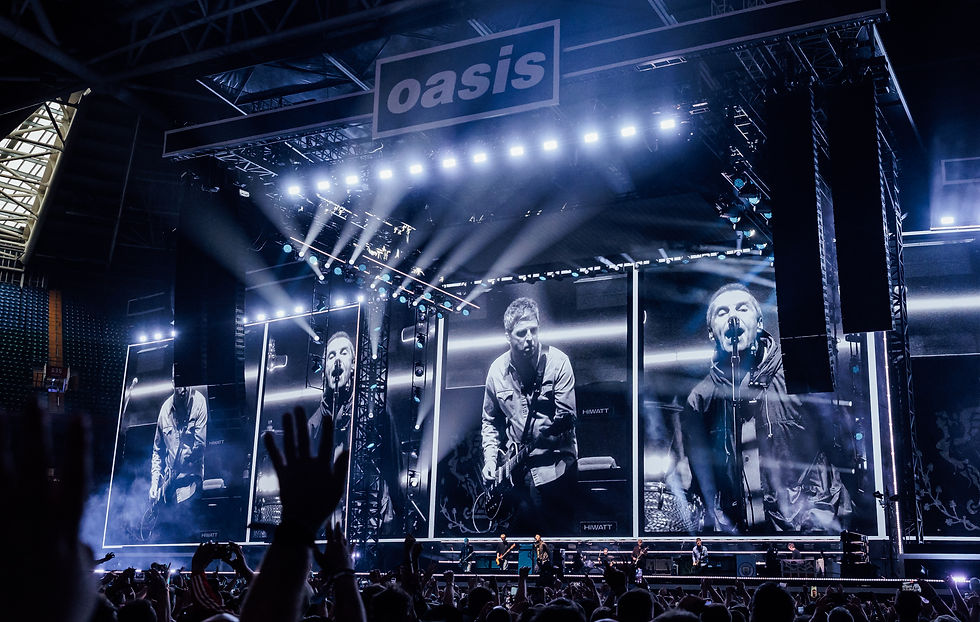
Dynamic pricing is generally used to maximise revenue, so, as it stands, it wont’t disappear completely. However, this marks a notable step in companies becoming more transparent with fans in terms of navigating an increasingly complex ticket-buying landscape.
Have ticket companies responded?
The Guardian reported that a spokesman for Viagogo said: “Evidence shows price caps have repeatedly failed fans, in countries like Ireland and Australia fraud rates are nearly four times higher than in the UK as price caps push consumers towards unregulated sites”. The company maintains that the correct solution would be ‘open distribution’, which means connecting primary platforms such as Ticketmaster with secondary resale platforms to verify tickets.
However, a spokesperson for Stubhub International has stated that “with a price cap on regulated marketplaces, ticket transactions will move to black markets”.
These statements follow an ongoing investigation by the CMA on secondary market sites like Stubhub and Viagogo over the mandatory additional charges that comes with buying tickets, and whether these charges are included upfront. The Guardian reported that, on November 17th, shares in Stubhub fell by nearly 14% following the announcement of the new regulatory measures. Viagogo, whose parent company is Stubhub Holdings, has stated that they “have continually engaged constructively with the CMA and will be fully cooperating with their investigation.”
As the CMA continues its investigation, the ticketing giants’ responses signal the start of a wider battle over how far regulations should go — and who it will really benefit.
This marks a notable step in companies becoming more transparent with fans in terms of navigating an increasingly complex ticket-buying landscape.
The UK’s ticketing landscape is now at a turning point. After years of frustration — from dynamic pricing controversies to inflated resale mark-ups and chaotic online queues — fans are finally seeing concrete steps towards a fairer system. The government’s new proposals, paired with growing pressure from artists and increased scrutiny from organisations signal a shift in momentum away from platforms that have dominated the market with little accountability.
However, resistance from major ticketing companies shows that reform might not come easy. Whether these new rules will deliver real, lasting change will depend on how effectively they are enforced, and how willing the industry is to operate with genuine transparency. For now, though, fans have reason to feel cautiously optimistic. The imbalance between consumers and corporations that has defined live music ticketing for over a decade is, at last, beginning to be challenged.
Written by Ben Dale
Edited by Ben Dale
Photos courtesy of Todd Owyoung/NBC, John Shearer, Getty Images, Andy Ford, and NME


Comments